
Blue Origin Secures $78.25 Million Contract to Enhance Cape Canaveral Launch Facilities |
Blue Origin awarded $78.25 million by U.S. Space Force to expand launch processing facilities at Cape Canaveral, enhancing national security launch capabilities. |
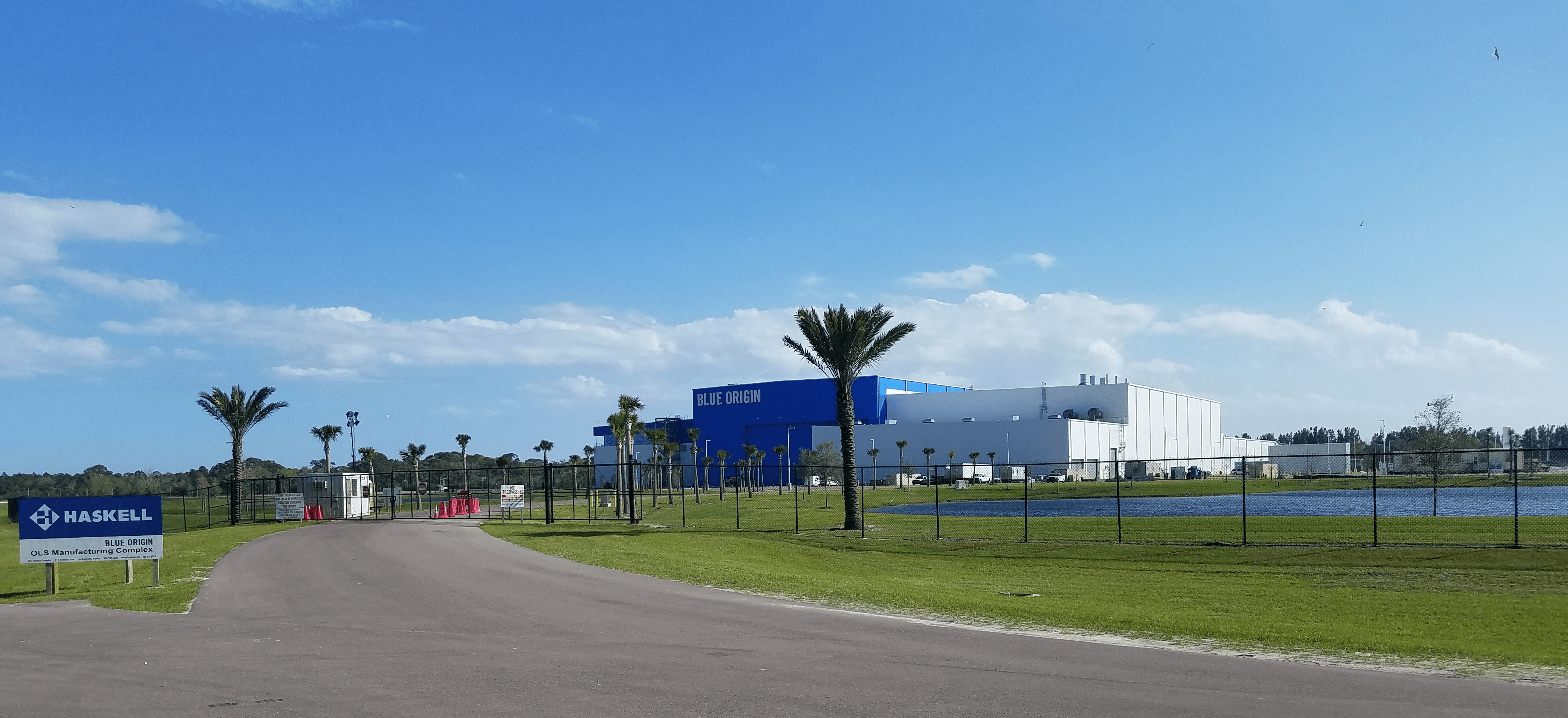
Blue Origin has been awarded a $78.25 million contract by the U.S. Space Force to expand space vehicle processing facilities at Cape Canaveral Space Force Station.
This initiative is part of the National Security Space Launch (NSSL) program's efforts to enhance launch processing capacity.
The contract entails the construction of a new payload processing facility, scheduled for completion by 2028.
This facility is expected to support multiple launch providers, thereby increasing the throughput and resilience of spacecraft processing ahead of missions.
Col. Dan Highlander, Director of Operations Integration for the Space Systems Command's Assured Access to Space directorate, emphasized the importance of this development.
He stated, "This additional capacity will ensure the U.S. Space Force can continue to deliver responsive and resilient launch capabilities to the warfighter."
Blue Origin, headquartered in Kent, Washington, also operates Launch Complex 36 at Cape Canaveral, the launch site for its New Glenn rocket.
The company noted that the new facility will enable it to support a higher launch cadence and integrate payloads more efficiently.
This contract is part of the Space Force's broader efforts to bolster launch processing, ensure resilience, and leverage commercial partnerships.
In April 2025, the Space Systems Command awarded major mission launch contracts under the NSSL Phase 3 Lane 2 program.
Under those awards, SpaceX, United Launch Alliance (ULA), and Blue Origin were selected as providers.
SpaceX secured $5.9 billion for 28 missions, ULA $5.3 billion for 19 missions, and Blue Origin $2.3 billion for up to 7 missions through 2030.
These mission awards currently place Blue Origin in a subordinate position relative to SpaceX and ULA.
However, the processing facility contract helps strengthen its infrastructure and positioning within the national security launch ecosystem.
According to defense reporting, the Commercial Solutions Opening mechanism is intended to fill gaps in spacecraft processing capacity that existing government and contractor infrastructure cannot fully meet.
The Blue Origin contract will expand that capacity in Florida.
Additionally, in September 2025, the Space Systems Command hosted an Industry Day with representatives from 17 commercial space firms to shape future National Security Space Launch on-ramp opportunities under Phase 3.
Implications and Challenges
Capacity and Resilience Under Pressure
Launch pace and manifest demands continue to increase, especially as commercial and national security payloads share common infrastructure.
The cleanrooms, integration bays, and test systems that prepare satellites and rockets often become bottlenecks.
The new facility is designed to alleviate these constraints and provide additional capacity.
Competitive Positioning for Blue Origin
Blue Origin has had a more limited track record compared to SpaceX and ULA, especially in terms of certified national security missions.
The facility bolsters its industrial base and ability to support more launches—potentially aiding its competitiveness in future bid cycles.
However, Blue Origin’s New Glenn rocket must meet rigorous certification standards to support many national security payloads, which remains an ongoing process.
Shared Risk via Public-Private Cost Sharing
The contract structure demonstrates a growing inclination by the Space Force to share risk and cost with private firms rather than fully bearing infrastructure burdens.
This approach can accelerate modernization but also introduces dependencies on contractor execution and schedule.
Timeline and Execution Hurdles
The facility must be completed by 2028 to support the future launch cadence meaningfully.
Construction, integration, qualification, and certification of critical systems (cleanrooms, environmental control, test equipment) pose schedule risks—especially given that the Space Systems Command and its industry partners are also juggling other major contracts and projects.
The pace of national security launches is expected to remain high, with the U.S. Space Force pushing for both resilience and responsiveness.
Blue Origin’s success in executing this contract on time and to specification could influence its credibility in future launch awards.
The Space Systems Command may issue further Commercial Solutions Opening contracts or expand into other launch processing locations to diversify capacity.
Continued coordination through initiatives like industry days helps shape commercial-government alignment and early planning. |
0 Comments
Join the conversation
Be the first to comment
Share your thoughts above.