
A recent near-miss between a Starlink satellite and a Chinese spacecraft prompts SpaceX to lower satellite orbits, highlighting the need for improved space traffic management. |
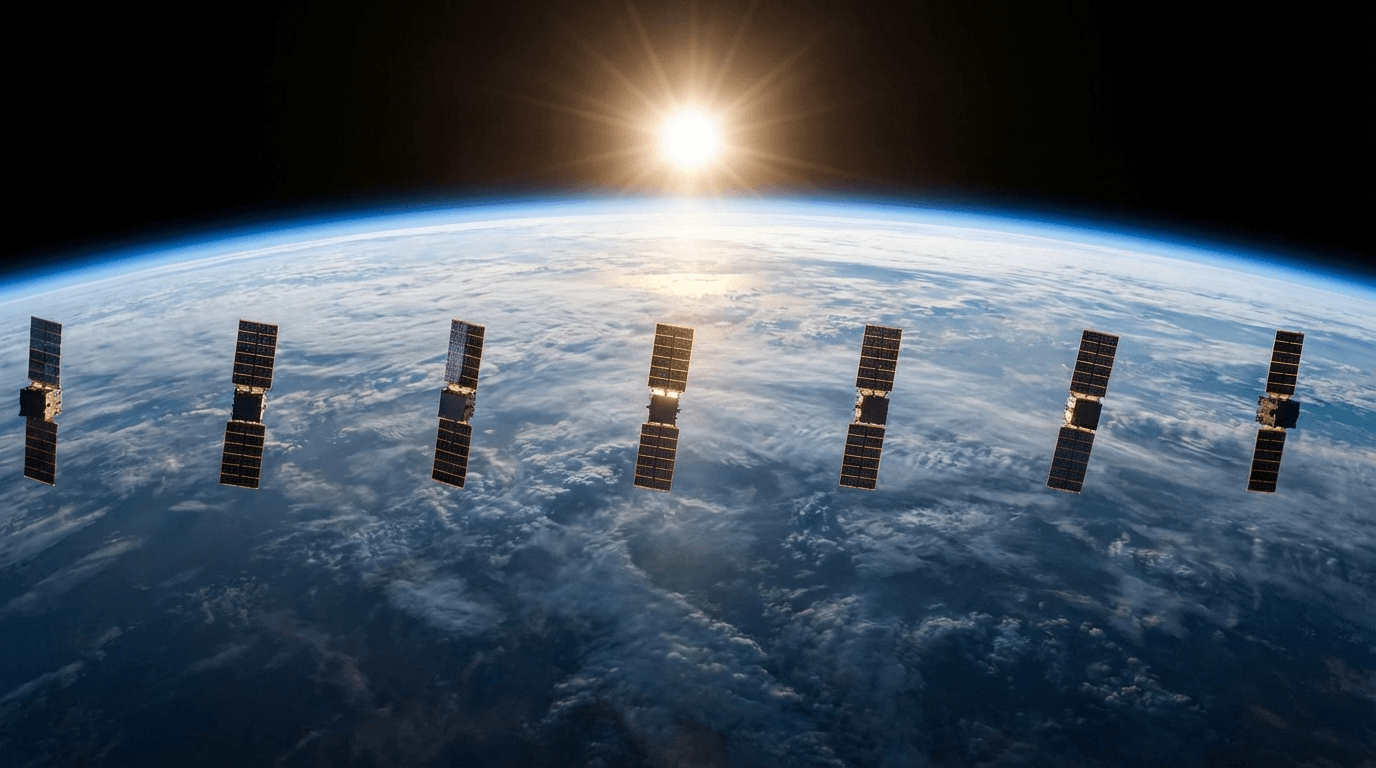
Image Generated by AI In a recent incident that underscores the growing congestion in low Earth orbit, a Chinese satellite launched from the Jiuquan Satellite Launch Center on December 9, 2025, came perilously close to a Starlink satellite operated by SpaceX.
The two spacecraft passed within approximately 200 meters of each other at an altitude of 560 kilometers, a situation that could have led to a catastrophic collision.
Michael Nicolls, SpaceX's Vice President of Engineering, expressed concern over the lack of coordination between satellite operators.
He stated that the absence of shared trajectory data increases the risk of such close encounters, emphasizing the need for improved communication to ensure space safety.
In response to this near-miss, SpaceX has announced plans to lower the orbital altitude of approximately 4,400 Starlink satellites from 550 kilometers to 480 kilometers throughout 2026.
This strategic move aims to reduce the likelihood of collisions by operating in less congested orbital regions and to facilitate faster deorbiting of defunct satellites, thereby mitigating space debris.
The decision to adjust the satellites' orbits is not without challenges.
Lowering the altitude increases atmospheric drag, which can shorten the operational lifespan of the satellites and necessitate more frequent replacements.
However, SpaceX believes that the benefits of enhanced safety and reduced collision risk outweigh these drawbacks.
The incident has sparked discussions about the need for comprehensive international regulations governing satellite operations.
As the number of satellites in low Earth orbit continues to rise, the potential for collisions and the creation of space debris becomes a pressing concern.
Experts warn that without proper coordination and regulation, the risk of a cascading series of collisions, known as the Kessler Syndrome, could render certain orbital regions unusable.
SpaceX's proactive measures highlight the importance of responsible satellite management and the need for collaborative efforts among nations and private entities to ensure the sustainable use of space.
As the space industry evolves, establishing clear guidelines and communication channels will be crucial in preventing future incidents and preserving the orbital environment for future generations. |
0 Comments
Join the conversation
Be the first to comment
Share your thoughts above.